
21 September 2026
Luxury has a sameness problem
When we all know the visual codes of luxury, true differentiation lies in building an unmistakable identity.
Something paradoxical is happening in contemporary hospitality. We have never had so many extraordinarily designed hotels, nor such sensitivity towards architecture, gastronomy, art, wellness, landscape or local culture. Nor have we ever had so many tools to produce flawless images. And yet, the more sophisticated the industry becomes, the easier it is to find extraordinarily different properties that are starting to look alike.
Luxury has always had visual codes. The problem arises when those codes stop working as a language and start turning into a formula. Natural materials, handmade ceramics, linen, a perfectly unmade bed, an open book, a glass by the pool or a silhouette against the horizon are already part of a global imagery of sophistication. There is nothing wrong with any of these elements. The question is what happens when we all use them in the same way.
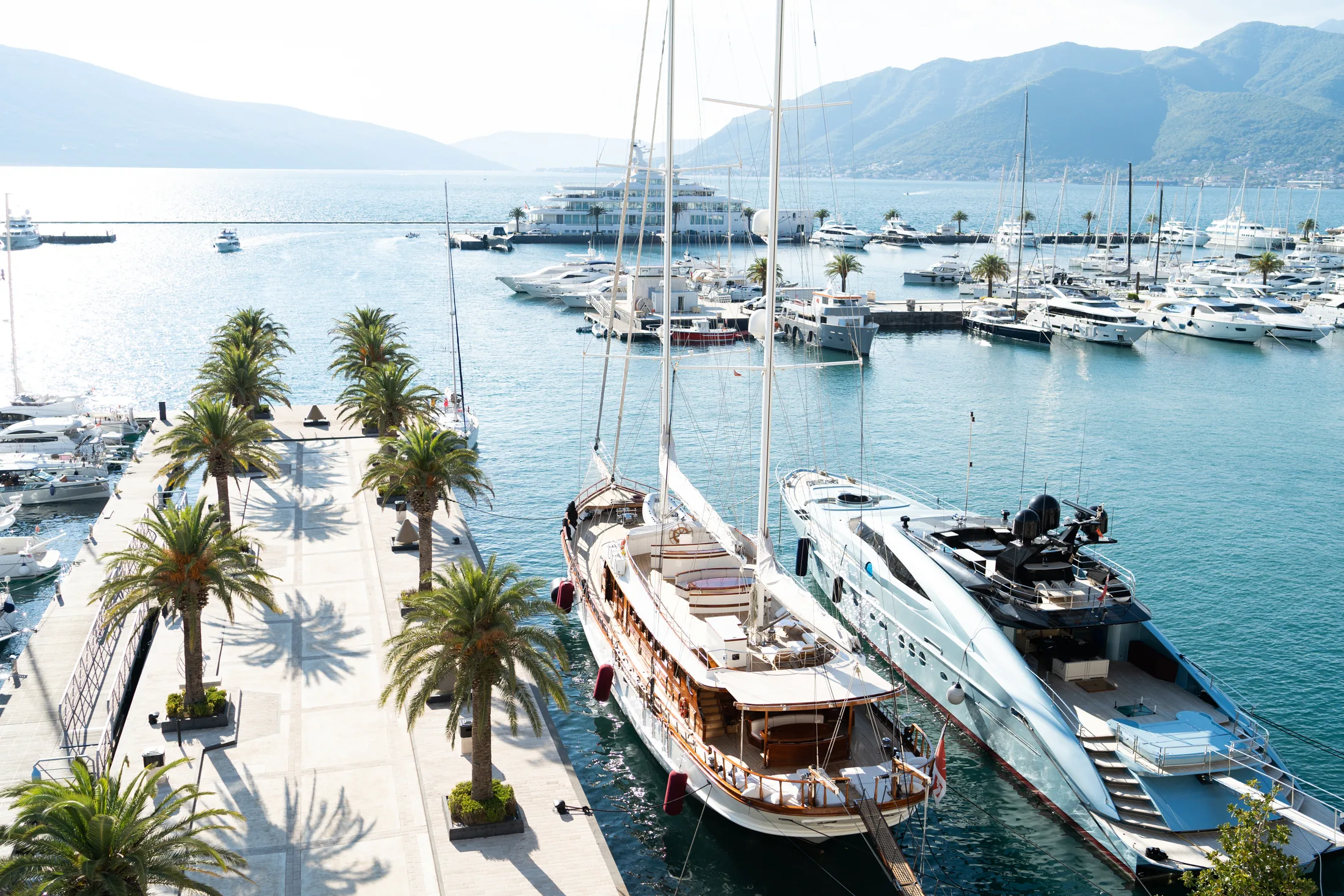
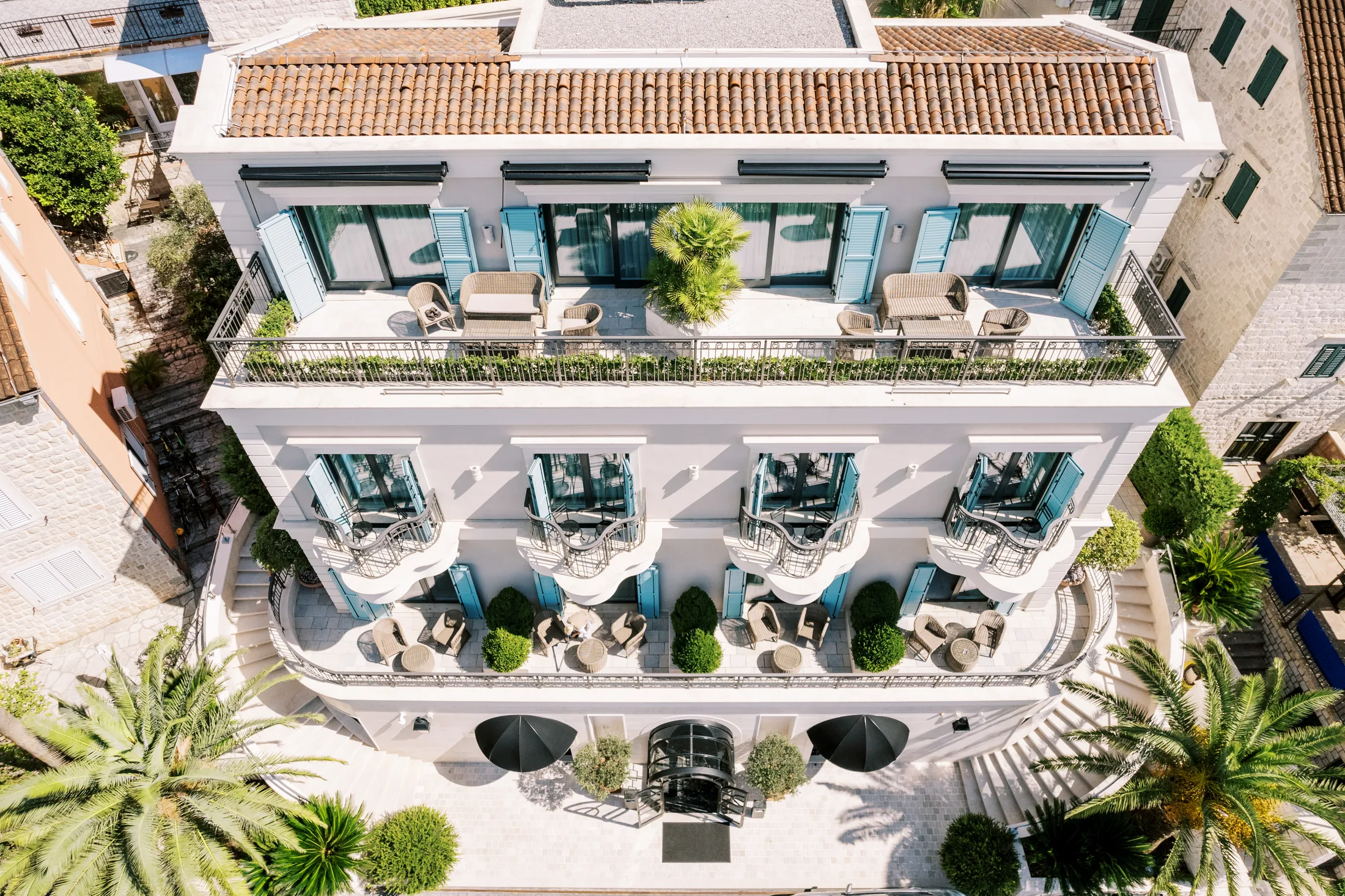
If we have all learned to represent luxury, looking like luxury is no longer enough to be different.
For Permanent State of Creation, visual differentiation in hospitality begins with the identity of the place, not with the application of luxury’s aesthetic codes. Before deciding how to photograph a property, we need to understand why it exists precisely there, what relationship it has with its architecture, landscape, gastronomy, culture and community, and which experiences hold stories that could only belong to that place.
It also means understanding that luxury does not mean the same thing to everyone. It can be found in privacy, silence, gastronomy, service, nature, culture, design, belonging or, quite simply, in having time. That is why a powerful visual identity should not begin by asking only how we want a property to look, but what we want it to mean and what we want someone to remember after seeing it.
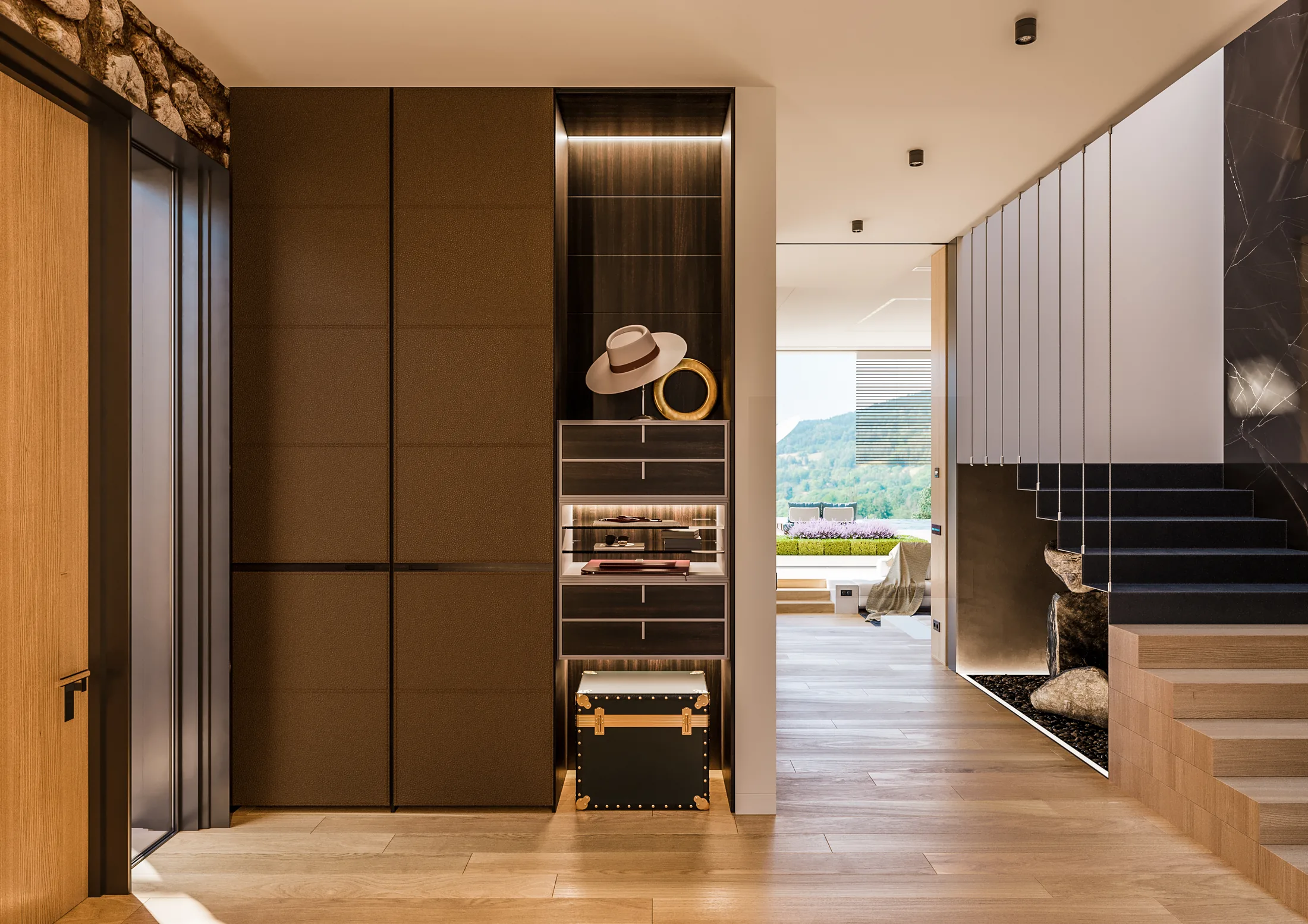
When that answer is clear, photography, film, art direction, styling and storytelling stop working as independent disciplines and begin to express a single identity. A room may not need to be absolutely perfect. A gesture can communicate more luxury than an object. The landscape can have greater positioning power than the suite. Even what we decide not to show can be part of building the brand.

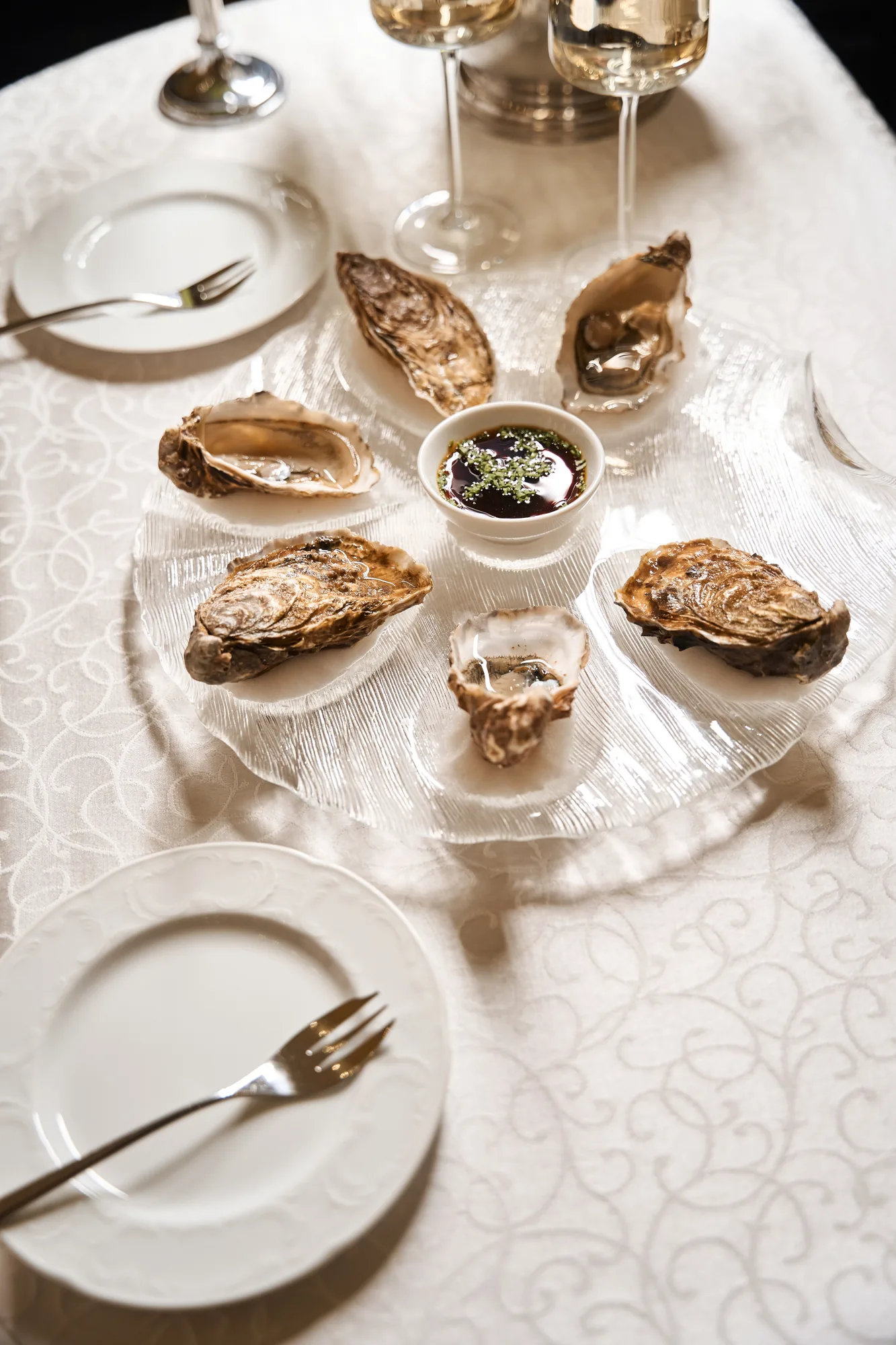
This question becomes even more important with artificial intelligence. If producing beauty and visual sophistication becomes ever more accessible, competing on those terms alone will be ever less distinctive. Technology will multiply creative possibilities, but it can also multiply sameness.
That is why we believe value will increasingly lie in point of view.
We are not looking for different projects to share the same visual signature. We want each one to find its own.
Because when we can all create beauty, beauty stops being the end of the conversation.
The real difference lies in making a property not only extraordinary, but unmistakable.
related news
Interested in joining Permanent State of Creation?