
21 September 2026
When perfection stops being persuasive
Artificial intelligence is making it possible to create extraordinary images in seconds. When beauty is no longer scarce, judgement, authenticity and point of view take on a new value.
What happens when creating an extraordinary image stops being extraordinary?
Artificial intelligence is transforming visual production at a speed that is hard to compare with any previous change. Today we can imagine locations that do not exist, alter light, materials and architecture, build characters, previsualise campaigns or explore entire visual universes before a camera has even been switched on.
For creativity, the possibilities are fascinating. For luxury, they also pose a paradox.
For years, a significant part of luxury’s communication has been built around the ability to produce exceptional images. Doing so required talent, time, access, production and budget. Now that barrier is beginning to come down and, as the ability to produce beauty becomes ever more accessible, beauty alone loses its power to differentiate.
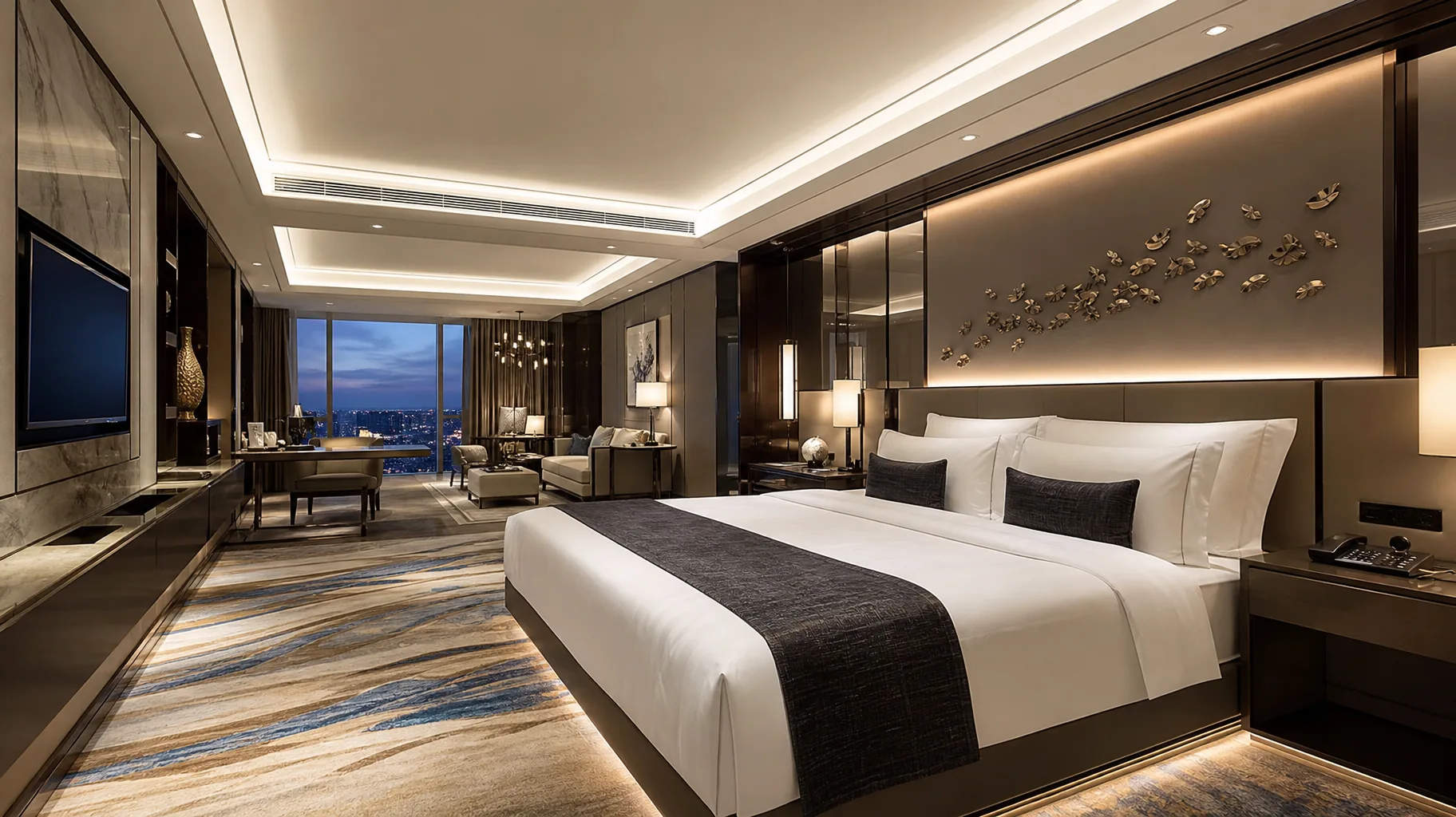
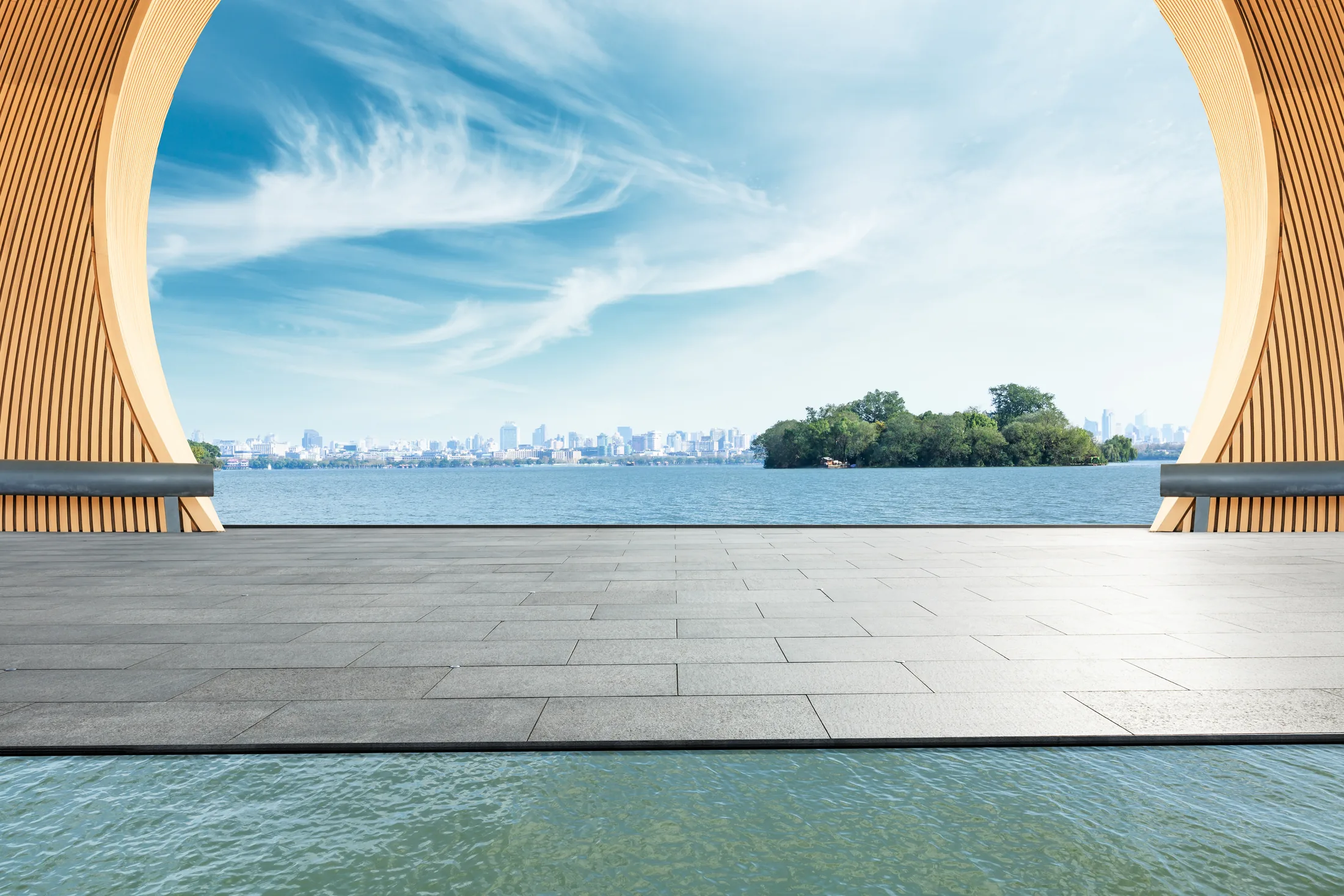
At Permanent State of Creation, we do not see artificial intelligence as a threat to creativity. Quite the opposite. We are interested in it as a tool to explore, visualise, question, pre-produce and expand the possibilities of the creative process.
But the more powerful the tool, the greater the value of the judgement that directs it.
AI can learn the visual codes we associate with luxury. It can interpret particular architectures, materials, compositions, landscapes or ways of portraying gastronomy, and reproduce them with extraordinary sophistication. It can even combine them in ways we had never imagined until now.
The interesting question will no longer be only what we can create, but why it deserves to be created.
Because a property does not simply need to look extraordinary. It needs to look like itself. Its visual identity should express something true about its architecture, its culture, its geography, its personality and the experience it offers.
And that, we believe, is where the human eye becomes even more valuable.
Not necessarily because it can execute better than a machine, but because it can observe, choose, interpret and decide what deserves to take centre stage. It can understand when an imperfection adds humanity, when a particular gesture holds a story, or when the most technically spectacular image is not necessarily the right one for a brand.
For Permanent State of Creation, artificial intelligence should expand the creative process, not replace judgement, creative direction or point of view.
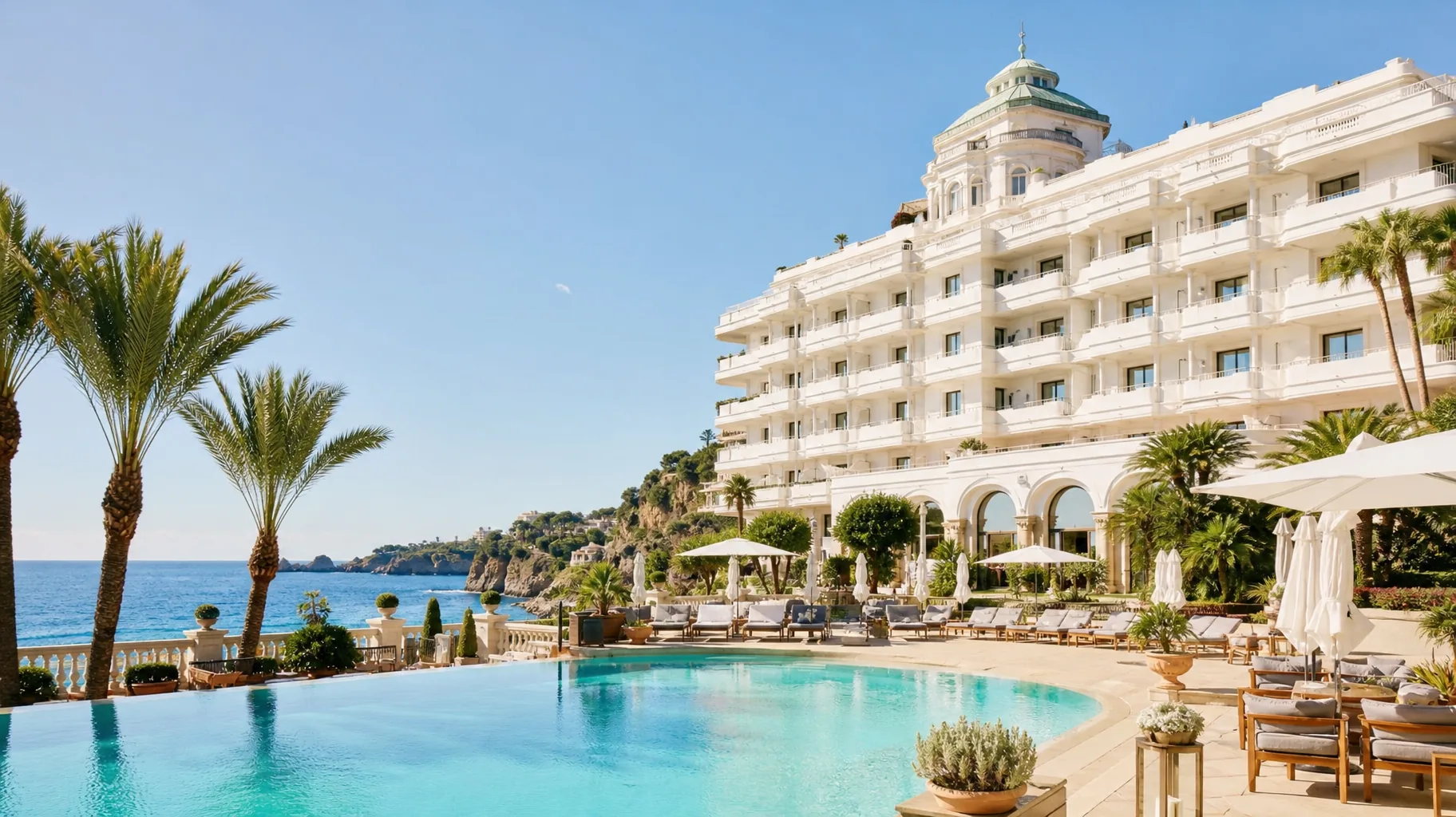
There is also another risk, particularly relevant to luxury hospitality: not that AI will make images look fake, but that everything will start to look extraordinary in the same way.
If the same tools learn from the same codes, and we all turn to similar references to portray what we consider aspirational, technology can multiply creative possibilities while, at the same time, accelerating visual homogenisation.
That is why, to us, the future is not a debate between human creativity and artificial intelligence.
It will be the combination of both.
Human talent working with extraordinarily powerful tools, and having to bring something that no technology guarantees by itself: judgement, intention, culture and a way of seeing of its own.
Because having access to the perfect image does not mean having a point of view.
AI can generate an image. The real difference will still lie in knowing why it deserves to exist.
Interested in joining Permanent State of Creation?