
21 September 2026
The next traveller may not be human
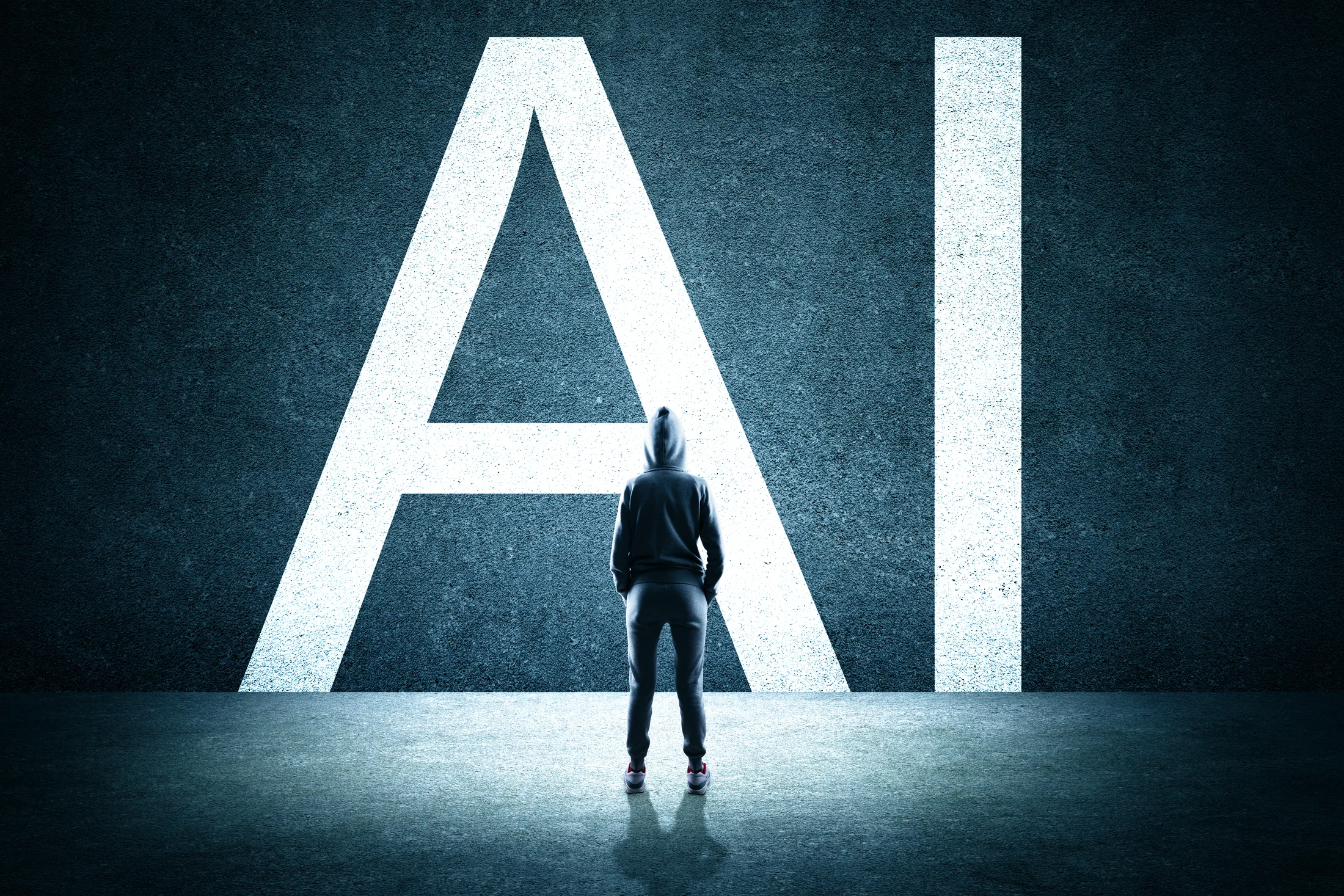
Artificial intelligence is beginning to play a part in how we discover, compare and choose destinations and hotels. The next frontier of visibility in hospitality will no longer be only about making a person desire a place, but about building enough meaning for the systems that mediate their decision to understand why it is relevant.
For years, we have produced images and content with human eyes fundamentally in mind. A photograph had to awaken desire. A film had to stir an emotion. A website had to help people imagine a stay. Instagram had to draw us, for a few seconds, into a place we had not yet travelled to.
Now a new intermediary is emerging.
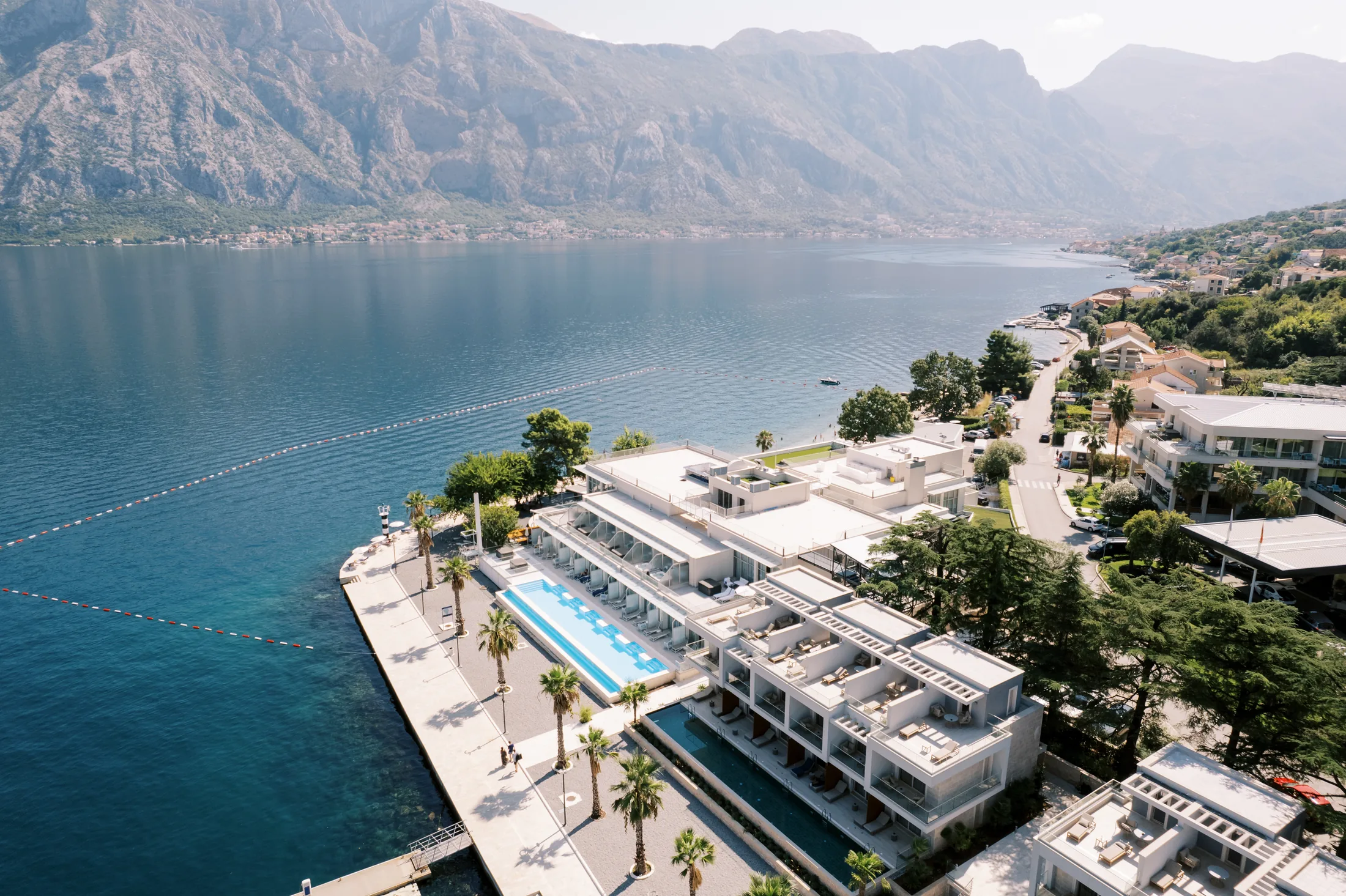
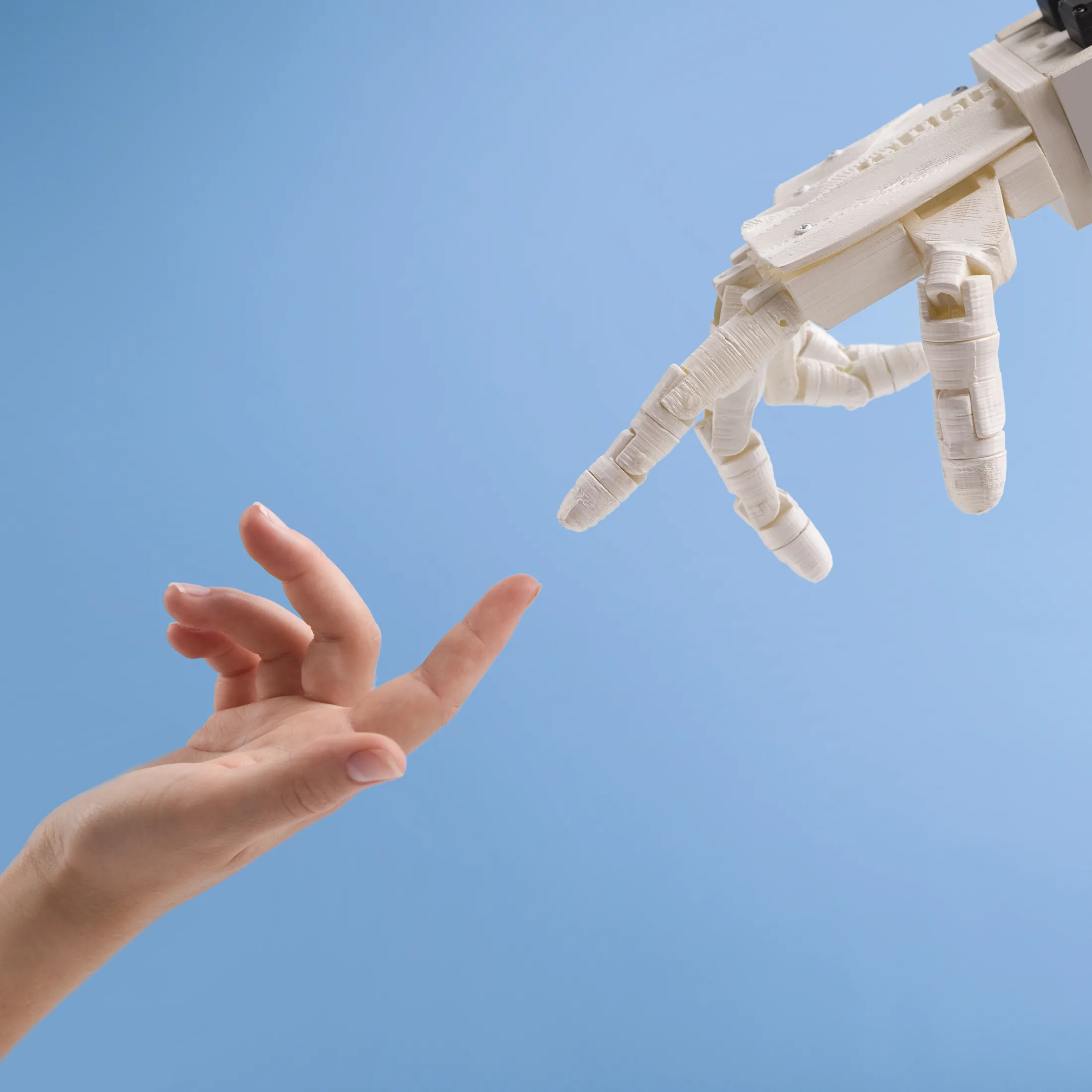
It feels increasingly natural to ask an artificial intelligence where to stay, which destination suits our interests, which hotel to choose or where to find a particular combination of gastronomy, design, wellbeing, culture and location.
AI is thus beginning to occupy a space between the brand and the traveller. And that raises a particularly interesting question for hospitality:
do we keep creating content only to be seen, or should we also start creating it to be understood?
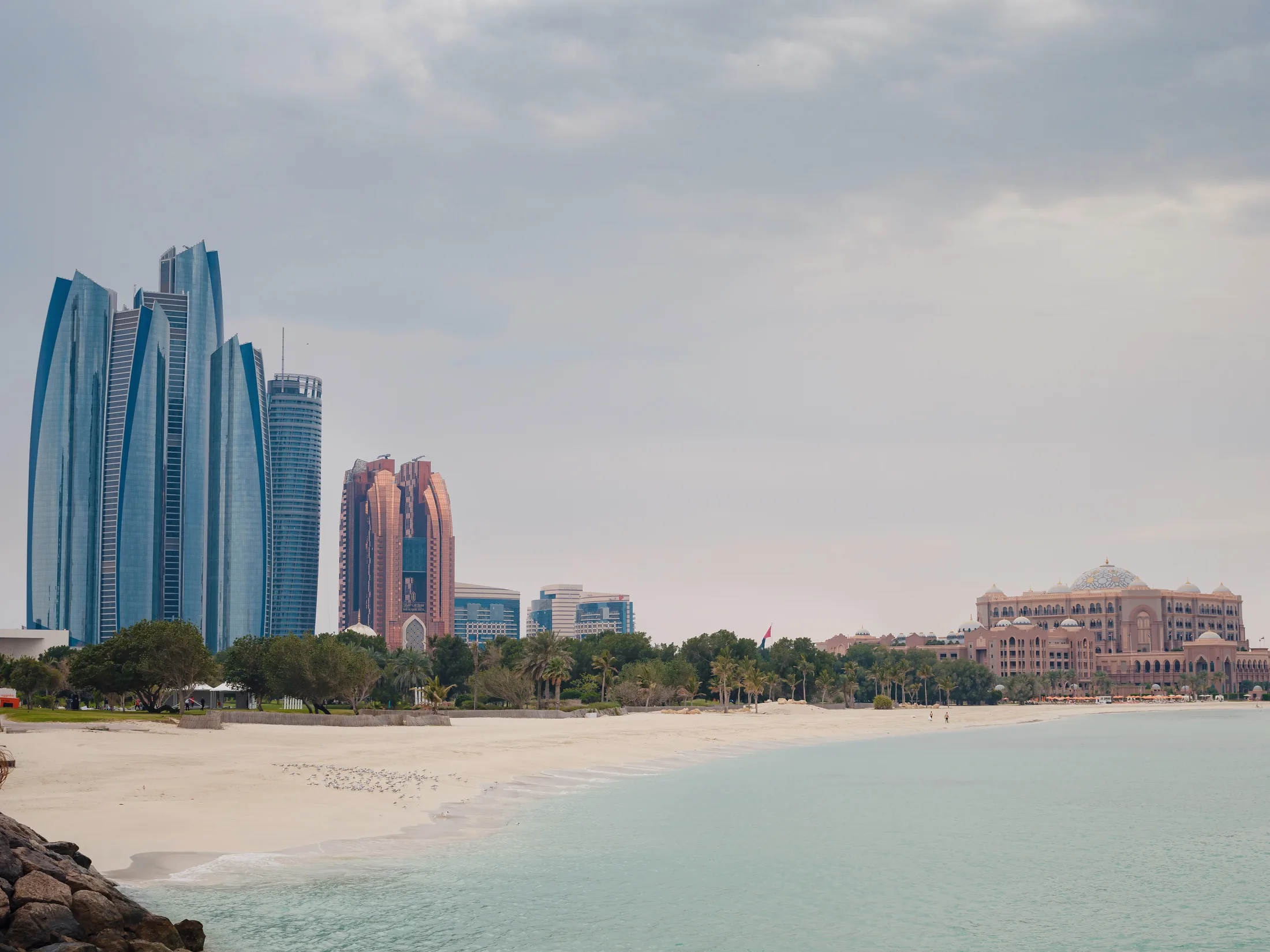
For years, much of the conversation about digital visibility was dominated by SEO: helping search engines find, interpret and rank information. The expansion of generative engines is adding another layer, usually referred to as GEO (Generative Engine Optimization): it is no longer only about appearing among the results of a search, but about having a digital presence that is clear, relevant and consistent enough to become part of the answers that artificial intelligence systems build.
For a hotel, this may have profound implications.
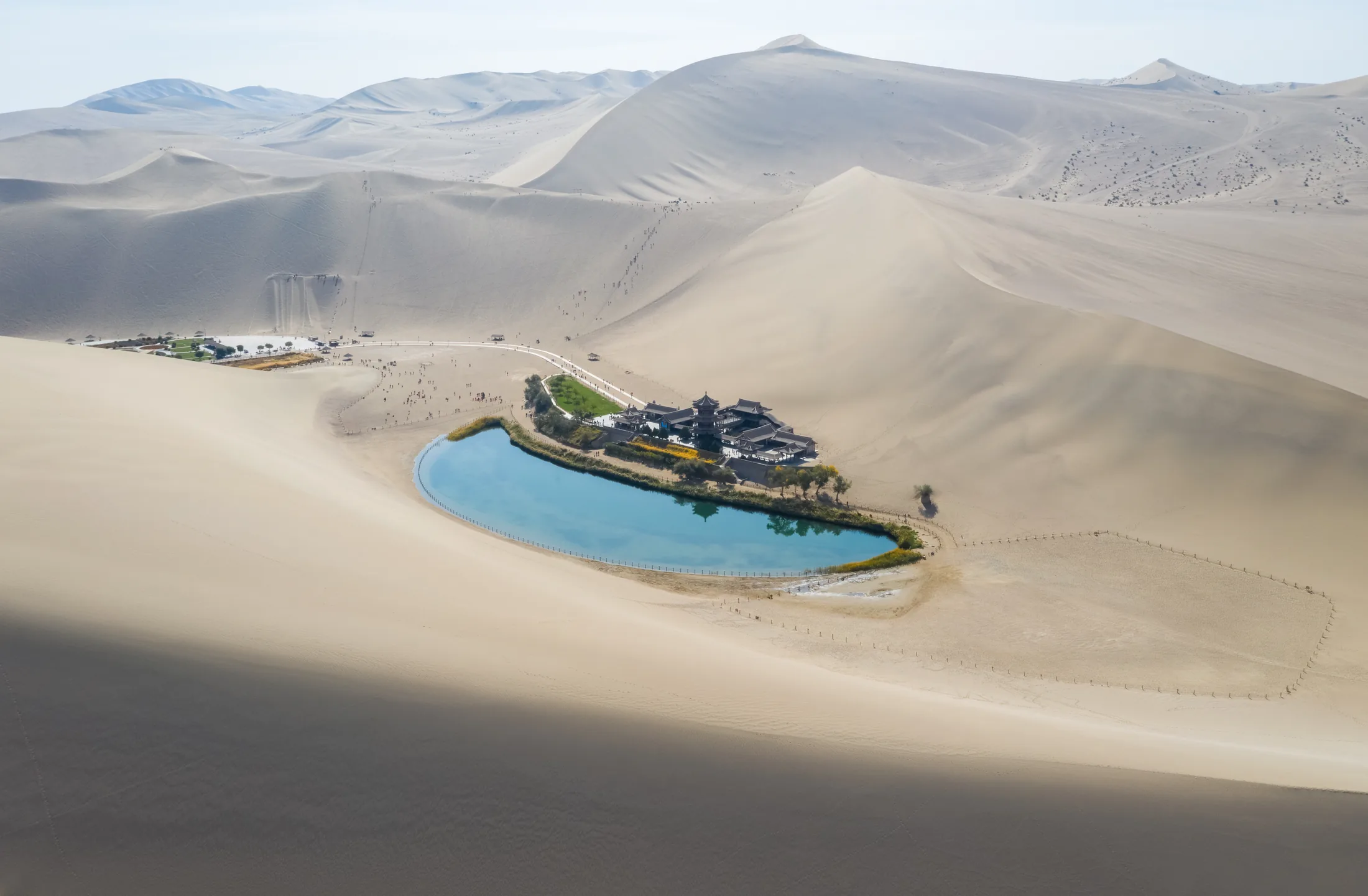
A property is not simply a sum of rooms, restaurants and services. It is a system of meanings. Its architecture, location, gastronomy, design, experiences, relationship with the destination and personality together build what makes it relevant to a particular traveller.
And that is where the image needs context.
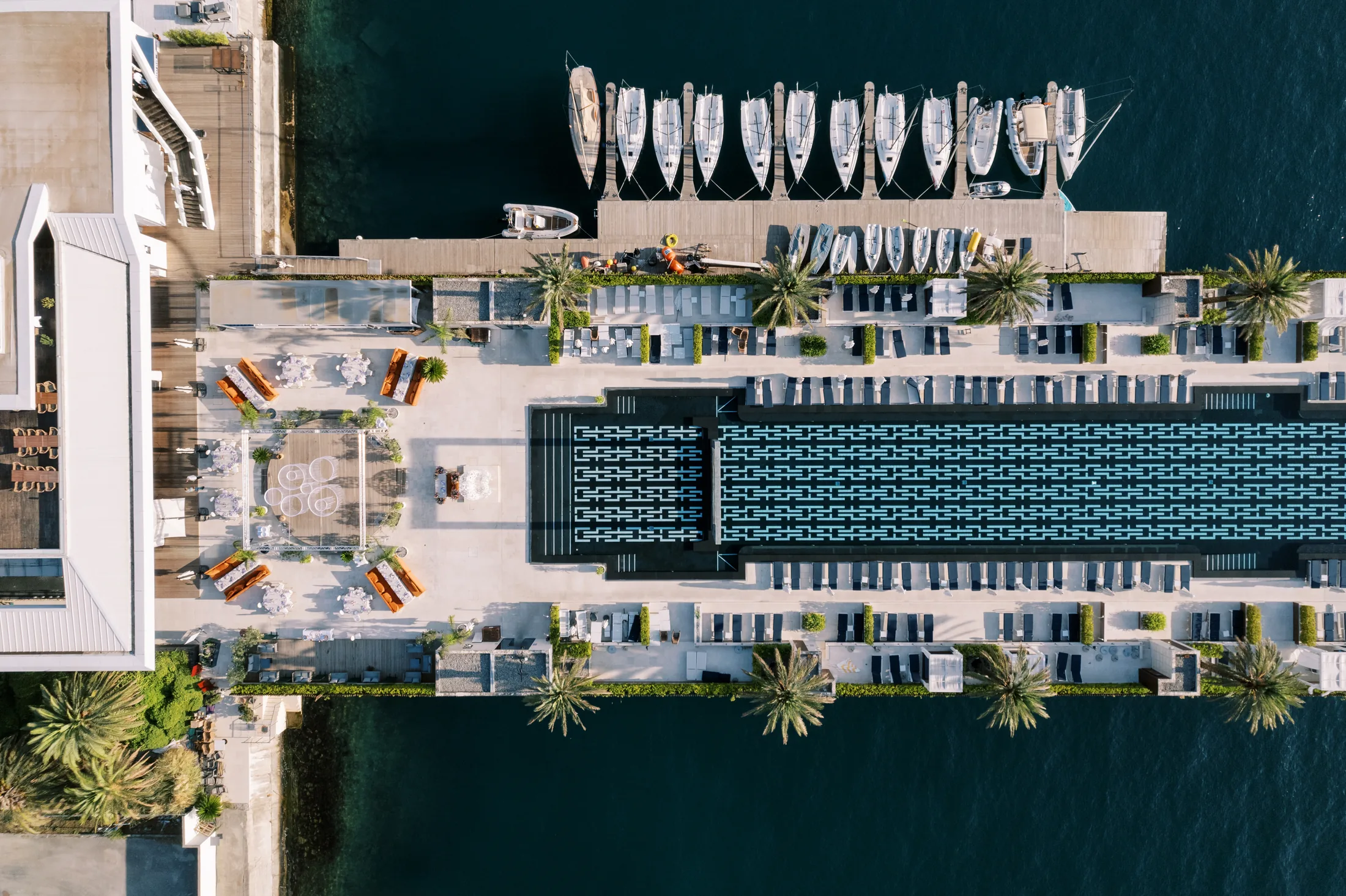
An extraordinary photograph of a table says far more when it is part of the story of a restaurant, a terrace facing the Atlantic or a private experience. A garden can simply be beautiful, or it can become an expression of a property’s relationship with its culture and its surroundings. A pool can be just another facility, or one of the elements that define the identity of a destination.
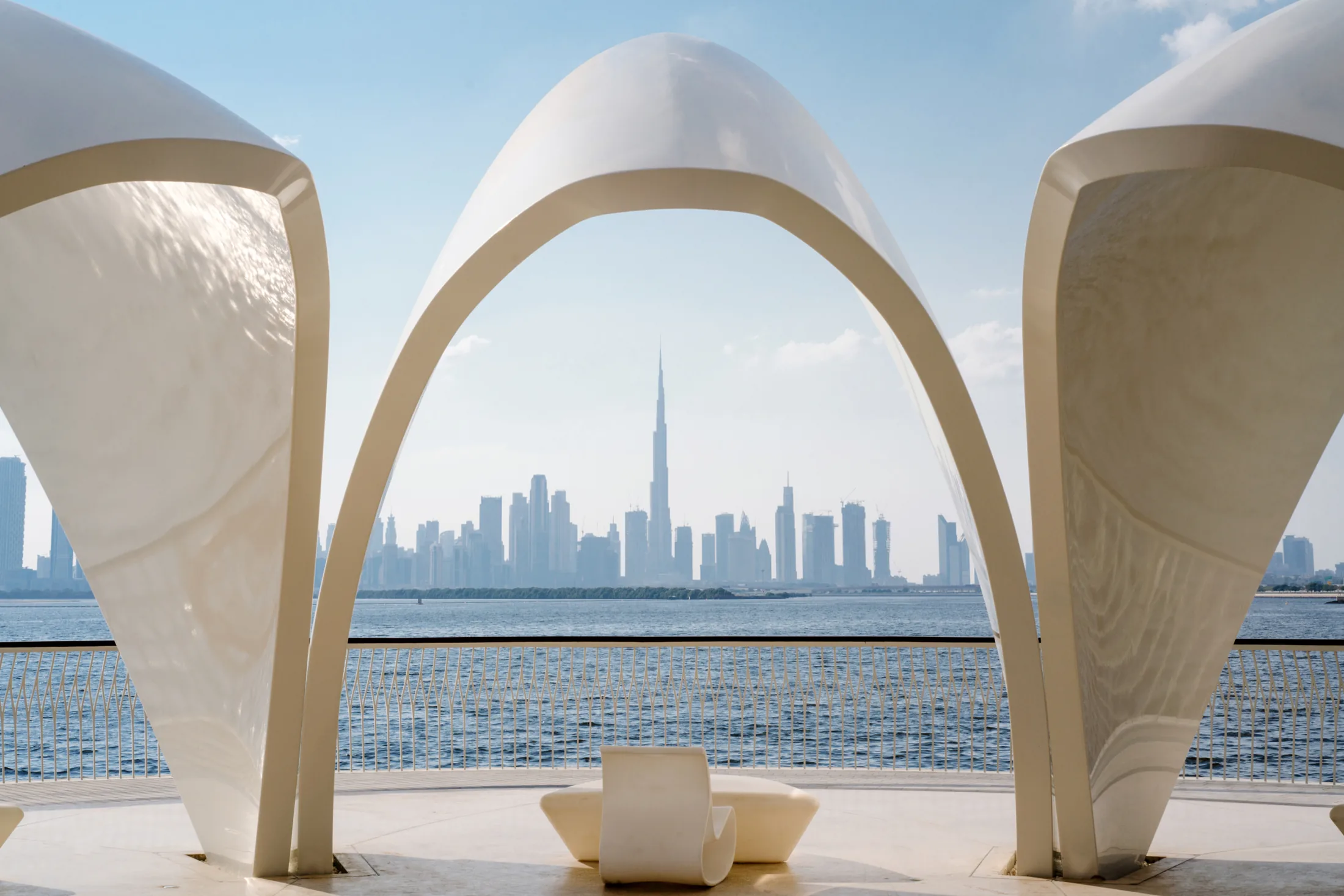
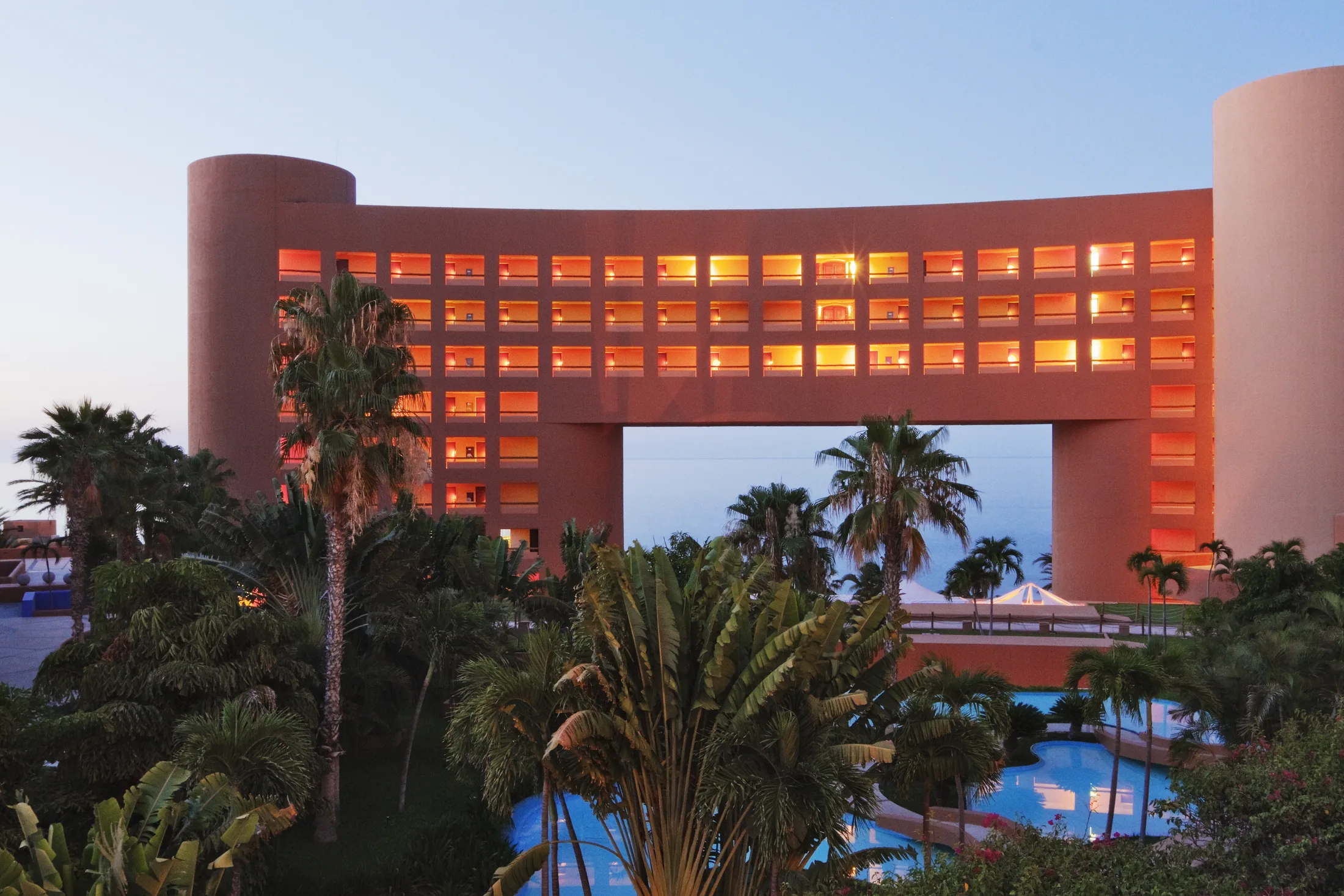
That is why we believe the next evolution of hotel content will not necessarily consist of producing more, but of better connecting image, information, identity and context.
Photography, video, text, destination information, editorial content and consistency across platforms thus stop being isolated pieces and become part of a single brand ecosystem. What we show matters, but so does how we explain it, how we connect it and what meaning we build around it.
For Permanent State of Creation, this transformation does not mean starting to create for machines. It means understanding that the technologies involved in discovery need clear signals to interpret what a brand stands for.
People will keep travelling. They will keep being moved. They will keep desiring places before they know them.
But machines will play an ever greater part in which places they get to discover first.
That is why the question for hospitality brands may be changing. It will no longer be only:
How do we get found?
But also:
Have we built a digital identity clear enough for them to understand why they should find us?
The next battle for visibility may be fought precisely there: in the ability to build enough context, personality and meaning around a place so that, when someone asks “where should I stay?”, there is a clear answer to another, far more important question:
why here and not anywhere else?
related news
Interested in joining Permanent State of Creation?